

Why modern D2C and B2B growth depends on orchestration, restraint, and quiet authority

Recently, I have been thinking about two different ways companies hire. One approach is to look at the person as a whole. Will they fit into the company environment? Will they enjoy the work? Do they have the curiosity, adaptability, communication skills, and mindset to learn and grow into the role? The other approach is more direct. Has this person already done the exact work we need them to do? Can they step in quickly, understand the problem, use the tools, manage the expectations, and start delivering with less ramp-up time? Both approaches have value. Both also have risks.

The challenge for leaders isn't managing a new generation. It's learning to lead in a world where authority must be earned every single day. For much of modern history, leadership was rarely questioned: Governments spoke, citizens listened. Employers decided, employees complied. Universities taught, students accepted. Managers directed, teams executed. Authority itself was often enough to justify decisions. That world no longer exists. Across continents, from South Asia to Europe, from corporate offices to university campuses, a profound shift is taking place. It is often described as "Gen Z changing leadership," but that description misses something much larger. This isn't simply a generational movement. It is a structural change in how societies view power, accountability, and trust. The youngest generation entering the workforce has grown up with access to more information than any generation before it. They compare policies across countries, witness leadership decisions unfold in real time, and discuss them publicly with millions of people online. They don't simply consume information; they interrogate it. Leadership is no longer accepted because of a title. It is evaluated because of behaviour.

Discover why posting content isn't a marketing strategy. Learn how customer touchpoints, trust, SEO, and AI search drive sustainable business growth.

"Technology has spent the last two decades trying to remove friction from our lives. Ironically, it may be the absence of friction that's making life feel less meaningful." Walk into any coffee shop in London, Seoul, New York, Mumbai, or Calgary and you'll notice something curious. A twenty-year-old is photographing their friends on a 20-year-old Canon point-and-shoot. Someone else is listening to music on an iPod Classic. Film cameras are sold out. Vinyl sales continue to grow. Fujifilm disposable cameras have become difficult to find. Young people who have never lived through the 1980s or 1990s are actively choosing products from those decades over the infinitely more capable devices in their pockets. Film photography has experienced sustained growth, manufacturers have increased production to meet demand, and surveys suggest many users are drawn to the slower, more intentional process and the authenticity of analog images. At first glance, it looks like nostalgia. It isn't. Because you cannot be nostalgic for a life you never lived. This is something much deeper. It is a cultural correction.

We are in an era of unprecedented communication density. Messages are constant, platforms are active, and content is continuous. By every measurable standard, communication has increased. And yet, the sense of connection has not followed the same trajectory. If anything, it has weakened.
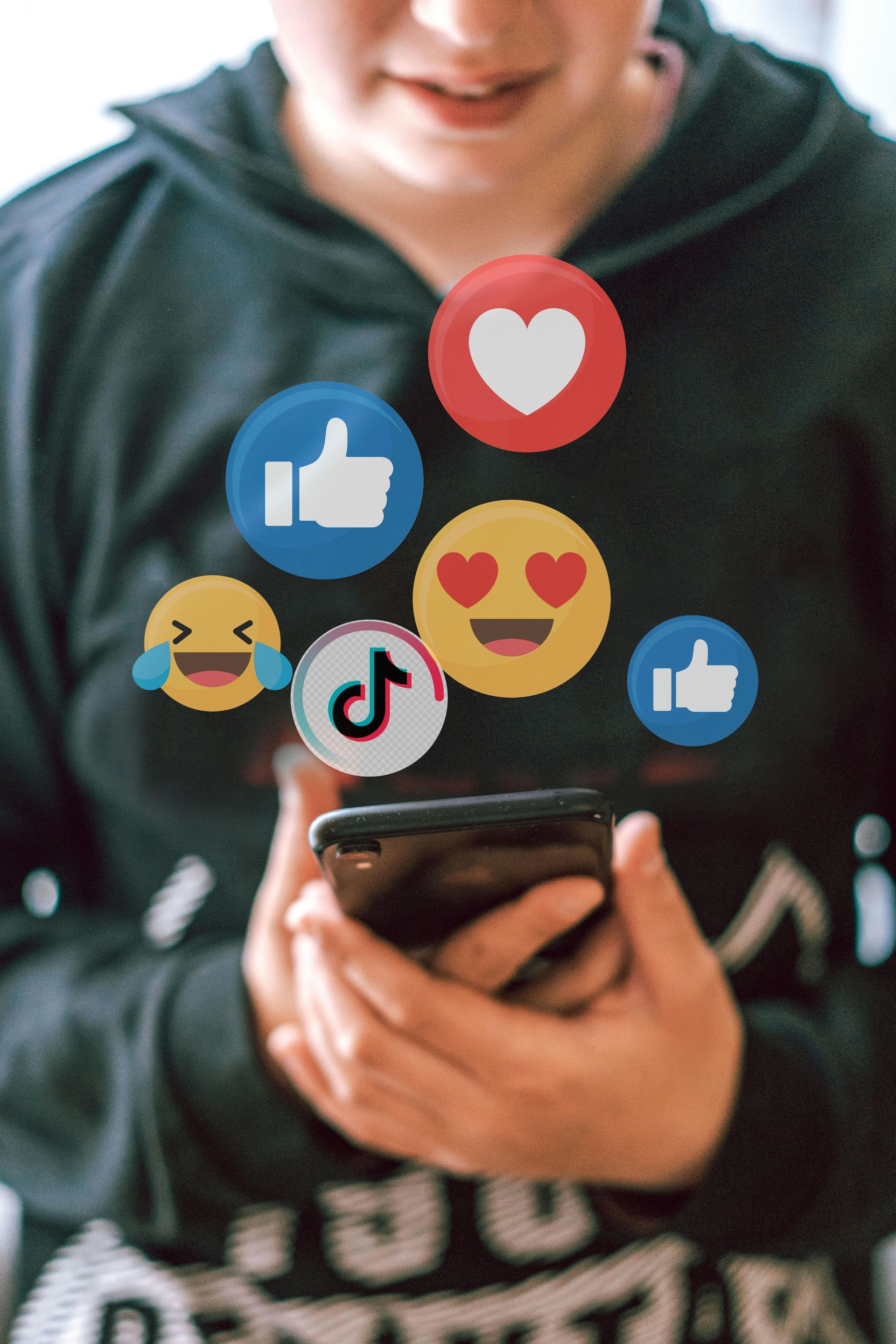
Gen Z is often described as digitally native, but what is less discussed is the psychological cost of that environment. This is the first generation to grow up with continuous exposure to global information, social comparison at scale, and a constant expectation of participation. Unlike previous generations, where information was periodic and localized, Gen Z exists in a state of perpetual input.

Social media today operates less like a communication platform and more like a behavioral system engineered around neurological reward. At its core lies dopamine, a neurotransmitter not responsible for pleasure itself, but for anticipation and motivation. Every scroll, every notification, every unpredictable piece of content triggers a variable reward cycle, similar to what is observed in gambling mechanisms. This unpredictability is what sustains engagement. The user is not satisfied, but compelled to continue.

Learn how relatable creators are reshaping marketing. Build trust & engagement with authentic connections. Contact us for tailored solutions!
Start a Conversation
We are here to listen and understand your concerns.