
The Analog Rebellion: Why Gen Z is Choosing iPods, Film Cameras, and a Slower Way to Live
"Technology has spent the last two decades trying to remove friction from our lives. Ironically, it may be the absence of friction that's making life feel less meaningful."
Walk into any coffee shop in London, Seoul, New York, Mumbai, or Calgary and you'll notice something curious. A twenty-year-old is photographing their friends on a 20-year-old Canon point-and-shoot. Someone else is listening to music on an iPod Classic. Film cameras are sold out. Vinyl sales continue to grow. Fujifilm disposable cameras have become difficult to find.
Young people who have never lived through the 1980s or 1990s are actively choosing products from those decades over the infinitely more capable devices in their pockets. Film photography has experienced sustained growth, manufacturers have increased production to meet demand, and surveys suggest many users are drawn to the slower, more intentional process and the authenticity of analog images.
At first glance, it looks like nostalgia. It isn't. Because you cannot be nostalgic for a life you never lived. This is something much deeper.
It is a cultural correction.
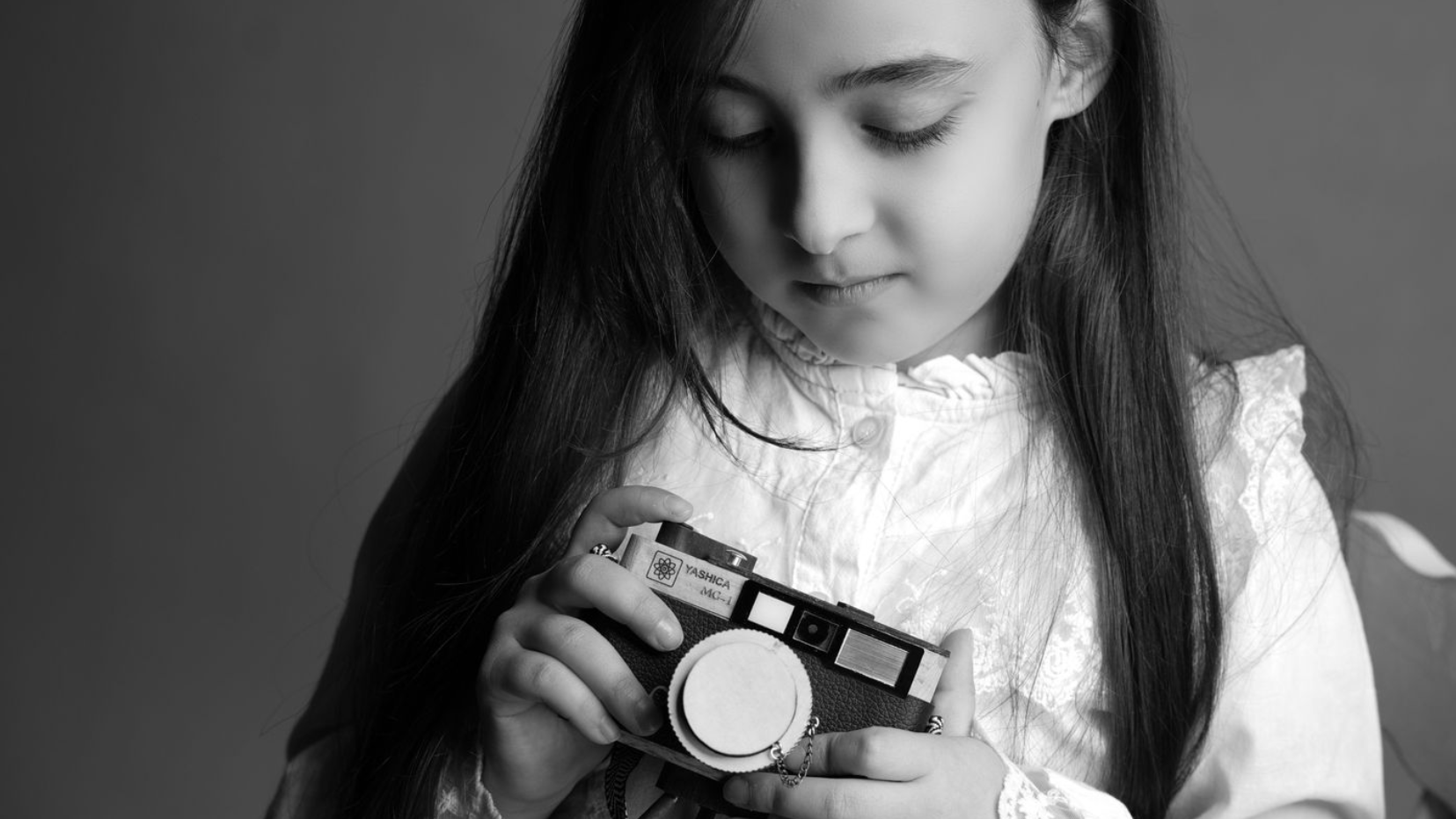
We Solved Every Problem Except One
For decades, technology promised convenience.
Unlimited photographs. Unlimited music. Unlimited communication. Unlimited entertainment.
It delivered.
Today's smartphone has replaced the camera, music player, television, GPS, diary, newspaper, calculator, wallet, and even our memory. Every technological advancement has pursued the same objective: Reduce friction. Increase efficiency. Yet something unexpected happened. As friction disappeared, so did anticipation. As efficiency increased, presence declined. As everything became available, very little felt valuable.
The Psychology of Scarcity
Human beings assign value differently than machines do. Economics tells us scarcity increases value. Psychology tells us anticipation intensifies emotional reward.
An iPhone allows you to take 3,000 photographs during a weekend. A 36-exposure film roll forces you to ask:
"Is this moment worth keeping?" That single question fundamentally changes your relationship with memory. The photograph becomes intentional rather than automatic. You stop documenting life.
You begin observing it. Researchers and photographers have noted that one of the biggest appeals of film is precisely this slower, more mindful process. The limitation itself creates meaning.
Technology Removed Waiting. Waiting Created Meaning.
Consider how older technologies worked. You finished a roll of film. You waited. You developed it. Only then did you discover whether the photographs worked.
The uncertainty wasn't a flaw. It was part of the experience. The same was true of music. Buying an album meant listening to every track. Owning an iPod Shuffle meant surrendering control to surprise. Watching television meant waiting for next week's episode. Writing letters meant patience. Everything required investment.
Today's systems optimize for immediacy. But immediacy has an unintended consequence. It removes anticipation. And anticipation is one of the most emotionally rewarding parts of any experience.
The Return of Imperfection
The rise of AI has introduced another shift. Perfection is becoming effortless. Photos can be generated. Faces can be enhanced. Videos can be synthesized.
Voices can be cloned. Ironically, as perfection becomes cheaper, imperfection becomes more valuable. Film grain. Light leaks. Blur. Overexposure. Underexposure. Dust. Fingerprints. These were once considered mistakes.
Today, they function as evidence. Evidence that something happened. Evidence that a human was present. Creative professionals have argued that film photographs now carry greater perceived authenticity because they are harder to manipulate, a perception that may strengthen as AI-generated imagery becomes more common.
Gen Z Isn't Rejecting Technology. They're Rejecting Constant Availability.
One of the biggest misunderstandings surrounding the analog movement is that young people are becoming anti-technology. They aren't.
Gen Z remains the most digitally fluent generation in history. What they are rejecting is constant accessibility. The expectation that every moment should be:
Captured. Uploaded. Shared. Commented on. Measured.
Analog devices interrupt that expectation. A film camera cannot notify you. An iPod cannot interrupt your thoughts. A Walkman cannot recommend another playlist.
Old technology asks nothing from you.
Modern technology asks everything. Recent reporting has found many young adults adopting flip phones, MP3 players, and dedicated cameras specifically to reduce distractions, improve focus, and feel less tethered to the internet.
The Algorithm Changed Creativity
Perhaps the most profound shift isn't technological. It's psychological. Before algorithms, creativity was private. People painted because they enjoyed painting. People photographed because they enjoyed photography. People wrote because they had something to say. Today, creativity often begins with an audience in mind.
Will this perform? Will this go viral? Will people engage?
The presence of an invisible audience fundamentally changes creative behaviour. Analog tools quietly remove that audience. Not completely. But enough to let people create before they perform.
Objects Carry Stories. Apps Rarely Do.
An iPod isn't simply a music player. A film camera isn't simply a camera. They are physical companions. They scratch. They age. They remember.
Digital products constantly replace themselves. Physical objects accumulate history.
That distinction matters because human beings don't build emotional relationships with functionality. They build relationships with stories. This is why people inherit watches. Not stopwatch apps.
The Return of Ritual
Modern technology removed ritual. Streaming removed browsing. Online shopping removed wandering. Messaging removed anticipation. Cloud storage removed albums. Film photography brings ritual back. Loading the roll. Advancing the frame. Hearing the shutter. Waiting for development. Holding the print. These rituals slow us down. Not inefficiently. Intentionally.
What This Means for Brands
Many brands are responding to this movement aesthetically. Vintage typography. Film grain. Retro colours. Disposable camera campaigns. But they're misunderstanding the trend. Consumers aren't buying vintage because it looks cool. They're buying it because it feels different. The lesson isn't to imitate analog.
The lesson is to understand what analog represents.
- Intentionality.
- Presence.
- Scarcity.
- Craft.
- Humanity.
Those values can exist in digital experiences too. If they're designed with people in mind rather than platforms.
The Future Isn't Analog or Digital. It's Intentional.
Technology has never been the enemy. Mindless consumption is. The future will not belong exclusively to AI. Nor will it belong to nostalgia. It will belong to brands, creators, and products that understand something far more fundamental:
People don't crave less technology.
They crave more humanity within it.
The success of film cameras, iPods, vinyl records, printed books, handwritten journals, and offline experiences points to the same conclusion. The next generation isn't moving backwards. They're searching for something we accidentally left behind.
Presence.
Meaning.
And the feeling that not every beautiful moment needs to become content before it can become a memory.
A BhaMee Perspective
At BhaMee Connects, we believe communication follows the same principle. Not every interaction needs to be faster. Not every message needs to be louder. Sometimes the most meaningful conversations happen because we slow down enough to have them. In a world racing towards automation, humanity may become our greatest competitive advantage.